

Annapolis, Maryland drivers are very familiar with walking out to their vehicle on a chilly morning and seeing a warning light on their dashboard. Your Volkswagen may be a titan of reliability, but it’s not immune to cold weather. Tire pressure issues are incredibly common in cold weather, and understanding why they happen can save you time, stress, and potentially a roadside headache. Here's what you need to know to stay safe when the temperatures drop.
Why Cold Air and Volkswagen Tire Pressure Don't Always Get Along
Tire pressure is directly affected by temperature. For every 10-degree drop in temperature, your tires can lose roughly 1 to 2 lbs. per square inch of pressure. That might not sound like much, but it adds up quickly during cold snaps. When your tires are underinflated, handling is compromised, tires wear unevenly, and even your fuel efficiency decreases none of which you want during winter driving.
This is straightforward science. Cold air is denser, which causes the air molecules inside your tires to slow down and take up less space. The result is a noticeable drop in inflation levels, even if your tires are perfectly healthy.
What the VW TPMS Light Is Telling You
Your Volkswagen is equipped with a Tire Pressure Monitoring System, commonly referred to as TPMS. When one or more of your tires drops below the recommended threshold, the VW TPMS light will illuminate on your instrument cluster. Don’t panic; it’s just your car's way of saying that attention is needed.
A TPMS alert doesn't always mean you have a flat or a leak. During cold weather, the light may come on simply because of the temperature-related pressure drop. Once you add air and the tires reach proper inflation, the light should turn off on its own, or after driving a short distance.
How to Check and Correct Volkswagen Tire Pressure in Cold Weather
The best time to check your Volkswagen tire pressure in cold weather is in the morning before driving. Once tires warm up from driving, the pressure inside rises, which can give you an inaccurate reading.
Start by locating the recommended tire pressure for your VW model. You'll find this information on the sticker inside the driver's side door jamb or in your owner's manual. Some models may have a screen on the instrument cluster that will display the pressure in each tire. If you don’t, use a quality tire pressure gauge to check all 4 tires; extra points if you check the spare. If any tire is low, add air at a local gas station or with a home compressor. Recheck the pressure after adding air to avoid overinflating.
Tips for Managing Tire Pressure All Winter Long
Staying on top of Volkswagen tire pressure in cold weather takes just a few minutes of regular attention. A few habits that can help:
Check your tire pressure at least once a month during cooler months, not just when the VW TPMS light comes on. Keep a small tire pressure gauge in your glove box for easy access. If your tires consistently lose pressure even in mild temperatures, have them inspected for a slow leak or valve stem issue.
Keeping your tires properly inflated also helps protect the rest of your vehicle. Correctly inflated tires support optimal braking performance, stable handling, and even tread wear, all of which matter more during cold, wet, or unpredictable winter conditions.
Visit Us for Tire Service and Peace of Mind
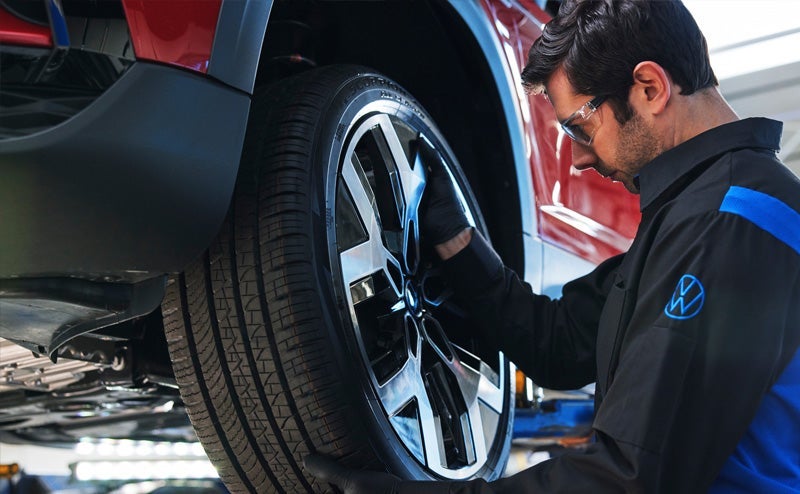
When it comes to Volkswagen tire pressure in cold weather situations, a little awareness goes a long way. Don’t ignore the signs. Understanding what your VW’s TPMS light is communicating and knowing how to respond can keep your vehicle in top shape and you confident behind the wheel all season long. If you have questions about your tire pressure, notice the warning light returning frequently, or just want a professional eye on your tires before winter fully sets in, the team at Fitzgerald Volkswagen of Annapolis, MD, is here to help. Visit us to schedule a service appointment and keep your Volkswagen road-ready no matter what the weather brings.