
What Makes a Volkswagen EV Different From a Gas-Powered Car
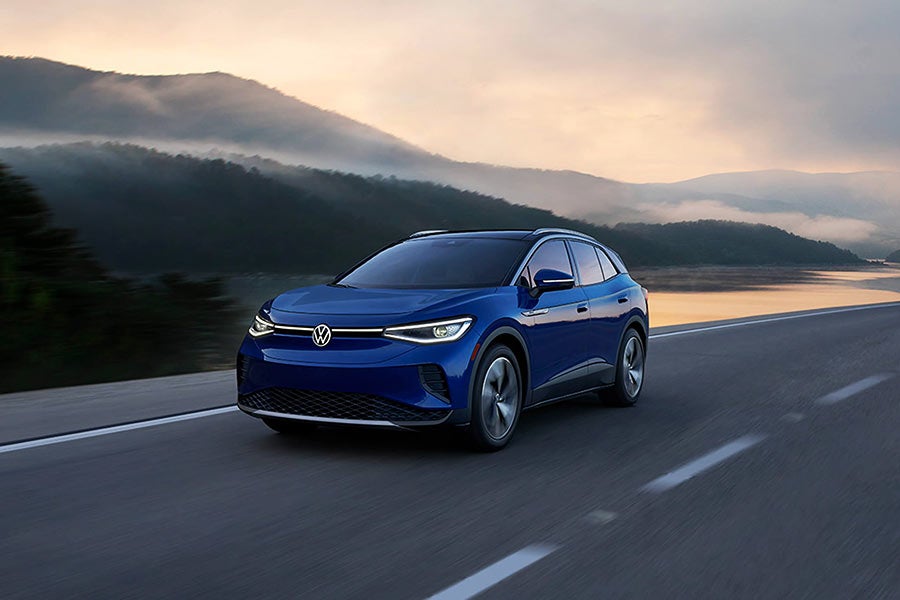
Switching to a Volkswagen EV at Fitzgerald Volkswagen in Annapolis, MD, offers a streamlined and exciting driving experience. The fundamentals of owning an electric Volkswagen are straightforward once you understand a few key concepts. Instead of visiting a pump, you simply charge at home, at work, or at public stations. The Volkswagen ID.4 is currently the brand's flagship electric SUV in the U.S. lineup. It blends everyday practicality with a 12" infotainment display and the zero-emissions driving experience modern drivers seek, while keeping you connected with features like Apple CarPlay© and Android Auto©. Reach out to our team to discover how easy it is to make the switch and upgrade your daily commute.
Understanding Charging Levels for Your Volkswagen EV
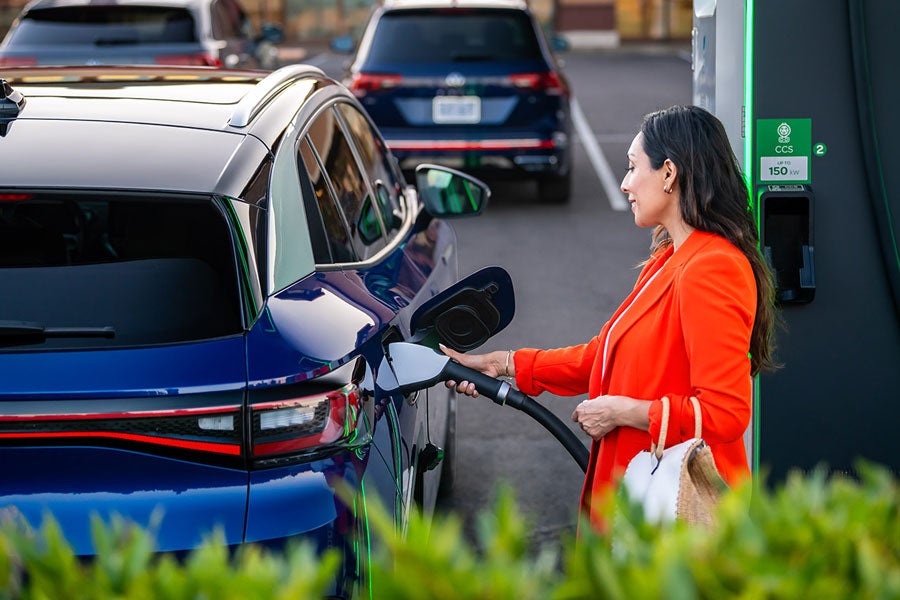
Not all chargers are created equal, and knowing the differences helps you plan your routine. Level 1 charging uses a standard 120-volt household outlet, working perfectly for overnight top-offs. Level 2 charging utilizes a 240-volt home charger or public station to add range significantly faster. DC Fast Charging, available at public networks, delivers a substantial charge rapidly and is ideal for longer road trips. Most owners find Level 2 home charging covers their daily needs seamlessly.
How Range Works in Everyday Electric Driving
The Volkswagen ID.4 offers a highly competitive EPA-estimated range of 206 to 291 miles, depending on the chosen battery size and drivetrain. Driving speed, climate, cargo load, and using the air conditioning all influence your total distance. Fortunately, most drivers travel far fewer daily miles than they expect. For residents navigating city streets and highways around Annapolis, the ID.4 provides more than enough range. Regenerative braking recaptures energy as you slow down to help extend your charge efficiently.
Volkswagen EV Ownership Costs and Maintenance
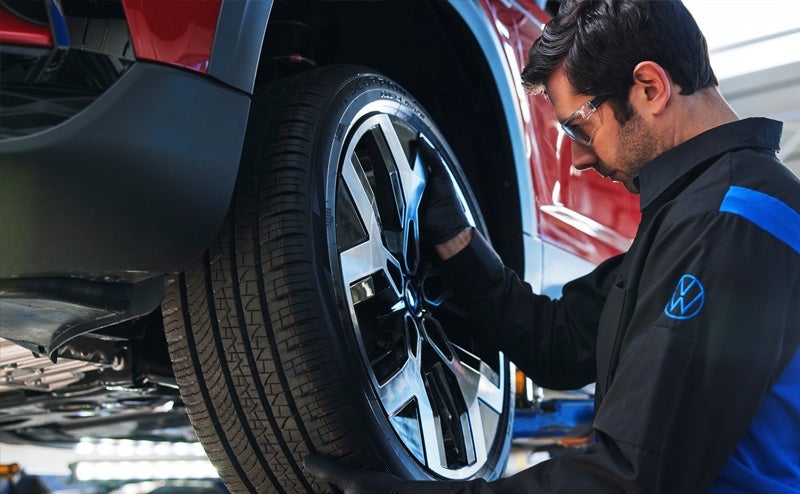
Owning a Volkswagen EV significantly reduces your long-term costs. Electric vehicles have fewer moving parts than traditional gas-powered cars, resulting in less routine maintenance. You avoid oil changes, spark plug replacements, and transmission fluid checks. Home charging also costs less per mile than fueling with gasoline. Volkswagen provides comprehensive owner resources, including maintenance guides and simple service scheduling.
Tips for Getting the Most Out of Your Volkswagen EV
Keep your battery charged between 20 and 80 percent for daily use to maintain optimal long-term health. Plan longer trips around public charging stations, and utilize your vehicle's navigation system for intelligent charging stop suggestions. Precondition your cabin while the car remains plugged in on cold mornings to warm the interior without draining your driving range.